Sackcloth in the Bible: Unveiling Its Symbolism and Spiritual Significance
From the ancient pages of the Bible, sackcloth emerges as a striking symbol rich with meaning and spiritual depth. This rough, coarse fabric, often woven from goat hair, wasn’t just a fashion statement – it was a profound expression of mourning and repentance. People in biblical times donned sackcloth during periods of grief or when seeking forgiveness, highlighting their humility and sincere desire for divine mercy. These traditions captivate us even today, offering insights into how symbols can nurture our spiritual growth and reflection. So, let’s take a closer look at the symbolism of sackcloth in the Bible and how these age-old practices might just resonate with our modern faith journeys.
Historical Significance of Sackcloth
Sackcloth holds a profound place in biblical history, serving as a powerful symbol of mourning and repentance. This section explores its historical context and significance in Scripture.
Mourning and Repentance in Scripture
Sackcloth in the Bible was a coarse, rough fabric often made from goat hair. It played a crucial role in expressing deep sorrow and repentance.
In ancient times, individuals would wear sackcloth to outwardly display their inner turmoil and grief. This practice was not merely a cultural tradition but a deeply spiritual act.
The discomfort of wearing sackcloth served as a physical reminder of one’s spiritual state, prompting reflection and humility before God.
Sackcloth’s Role in Biblical Stories
Sackcloth features prominently in various biblical narratives, illustrating its importance in the faith journeys of key figures.
One notable example is found in the book of Jonah. When the prophet finally delivered God’s message to Nineveh, the entire city, including the king, put on sackcloth as a sign of their repentance.
In the story of Esther, Mordecai dons sackcloth upon learning of the plot against the Jews, symbolizing his distress and plea for divine intervention.
These stories highlight how sackcloth was not just a personal expression but could also unite communities in times of crisis or spiritual awakening.
Spiritual Practices with Sackcloth
The use of sackcloth in spiritual practices goes beyond mere symbolism, offering profound lessons in humility and expressions of sorrow.
Humility in Faith Traditions
Sackcloth traditions across various faith practices emphasize the importance of humility before God.
In biblical times, wearing sackcloth was a visible reminder of human frailty and dependence on divine grace. This practice encouraged believers to set aside pride and approach God with a contrite heart.
The discomfort of sackcloth served as a physical metaphor for the spiritual discomfort of confronting one’s sins and shortcomings.
By embracing this uncomfortable state, individuals demonstrated their willingness to prioritize spiritual growth over physical comfort.
Biblical Expressions of Sorrow
The Bible records numerous instances where sackcloth was used to express profound sorrow and grief.
In times of personal loss or national calamity, putting on sackcloth was a way to visibly mourn and seek God’s comfort. This practice often accompanied fasting and prayer, creating a holistic approach to spiritual lament.
The prophet Daniel, for example, “turned to the Lord God and pleaded with him in prayer and petition, in fasting, and in sackcloth and ashes” (Daniel 9:3), demonstrating the depth of his spiritual anguish.
Such expressions of sorrow were not meant to be performative but rather genuine outpourings of a grieving heart seeking divine solace.
Modern Relevance of Sackcloth
While the literal use of sackcloth may be less common today, its symbolism and spiritual lessons remain deeply relevant to contemporary faith practices.
Symbolism of Sackcloth Today
In modern contexts, the symbolism of sackcloth continues to resonate with believers seeking authentic spiritual experiences.
Today, sackcloth represents a willingness to confront personal shortcomings and approach God with humility. It symbolizes the stripping away of pretenses and the embrace of raw, honest faith.
While physical sackcloth may not be worn, its spirit lives on in practices of self-reflection, repentance, and sincere worship.
The enduring symbolism of sackcloth reminds us of the importance of genuine humility and contrition in our spiritual journeys.
Inspiring Contemporary Spiritual Practices
Modern faith communities have found creative ways to incorporate the essence of sackcloth into their spiritual practices.
Some believers engage in periods of fasting or abstinence from luxuries as a form of “spiritual sackcloth,” fostering humility and focus on God.
Prayer retreats or silent meditation sessions can serve as contemporary equivalents, providing space for deep reflection and repentance.
Engaging in acts of service or charity can also embody the spirit of sackcloth, reminding us of our shared humanity and dependence on God’s grace.
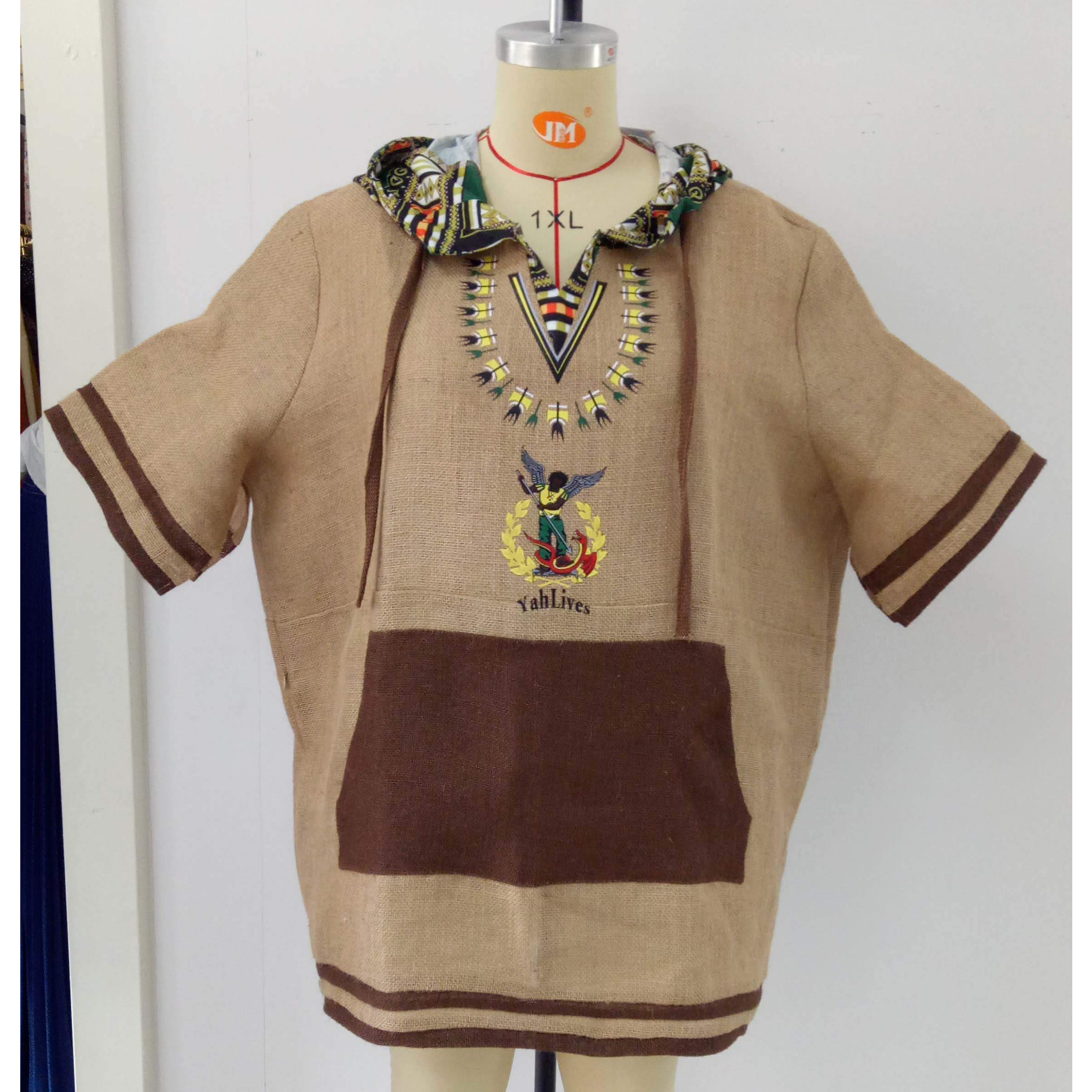
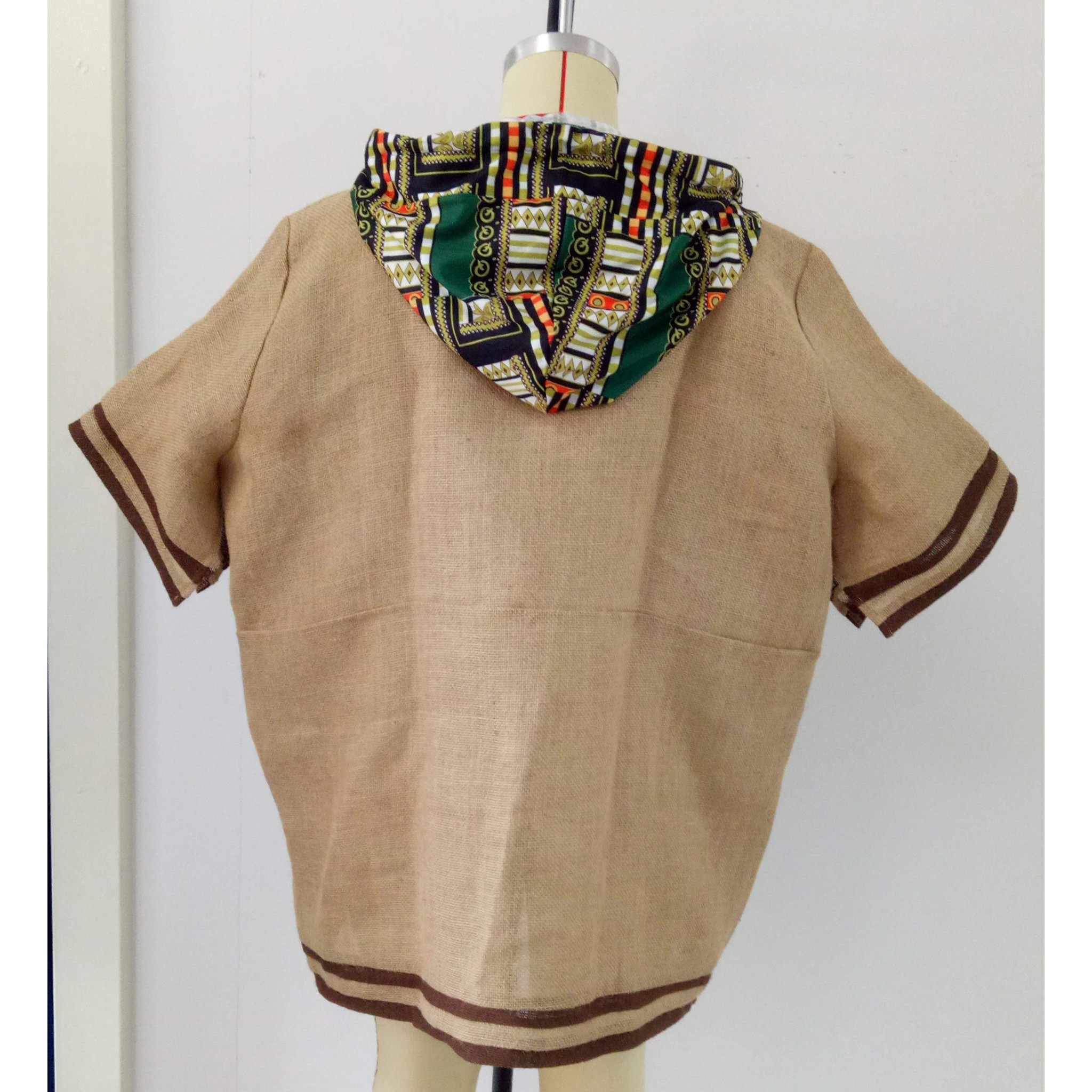
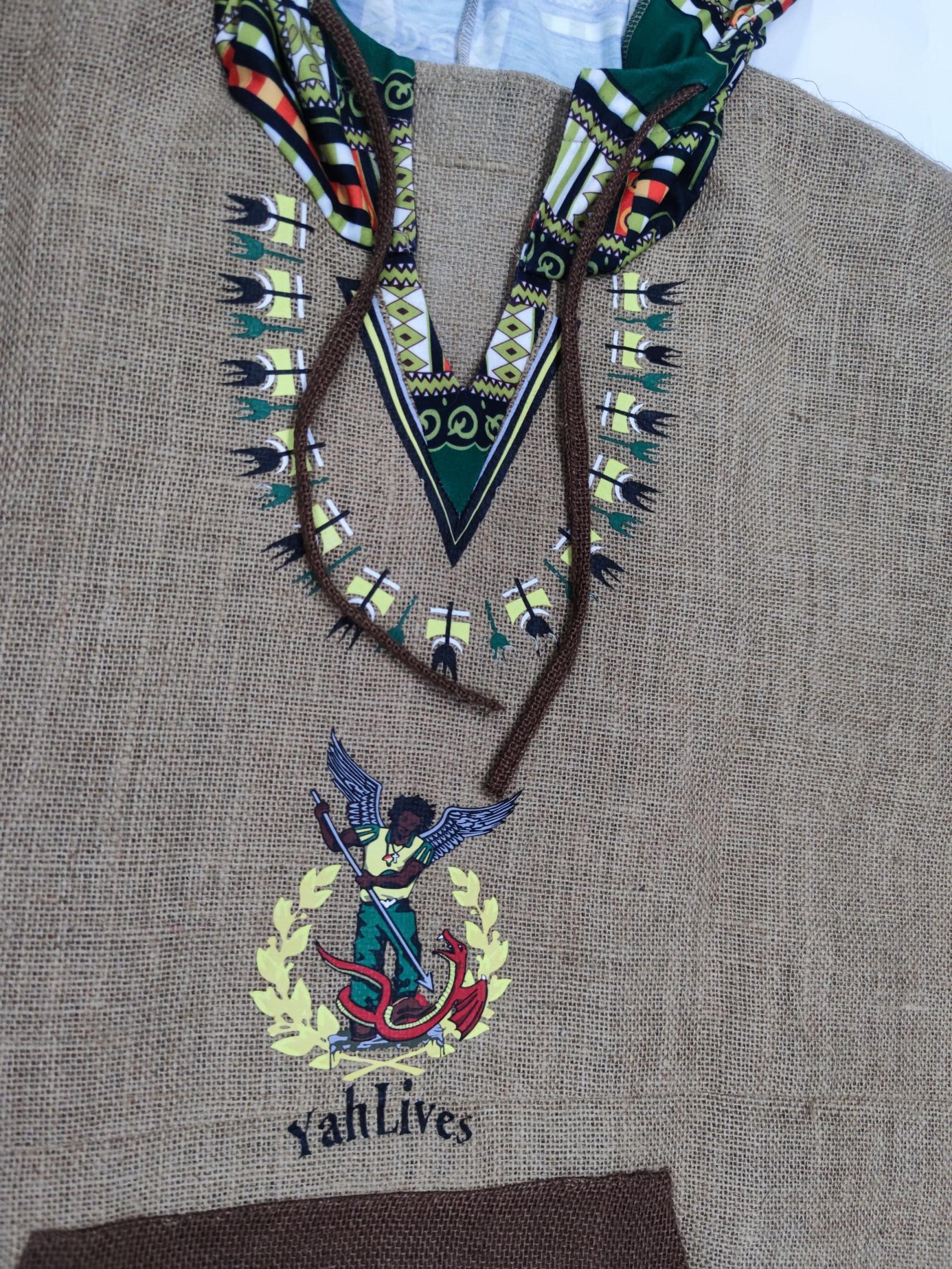
For those seeking a tangible reminder, Yah Lives Apparel offers modern clothing inspired by biblical symbolism, including sackcloth-themed items that can serve as conversation starters about faith and humility.