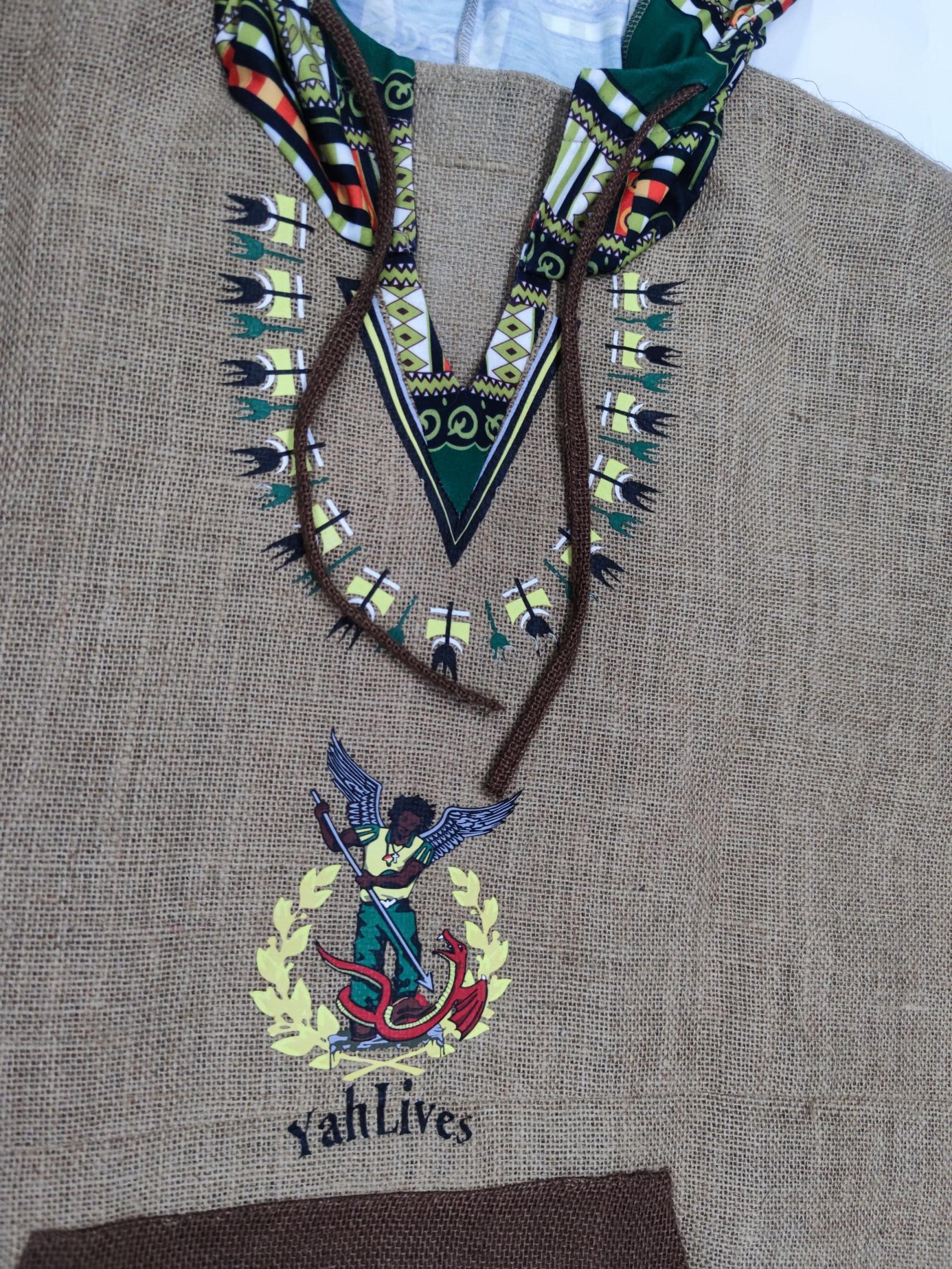
Embracing Humility and Repentance: The Timeless Appeal of Sackcloth Clothing
Sackcloth clothing has long been a symbol of humility and repentance, weaving its way through centuries of cultural and spiritual practices. Traditionally crafted from coarse fabric, this historical garment invites wearers to engage in spiritual introspection, connecting deeply with their emotions and the essence of simplicity. As we navigate our fast-paced modern world, sackcloth clothing can serve as a timeless reminder of the enduring values of humility and spiritual growth. This ancient attire not only honors the past but also sparks meaningful conversations about faith and resilience today. For those seeking a deeper understanding of their spiritual path, sackcloth clothing offers a tangible way to reflect on personal growth and the cultural significance of sackcloth.## Historical Roots of Sackcloth Clothing
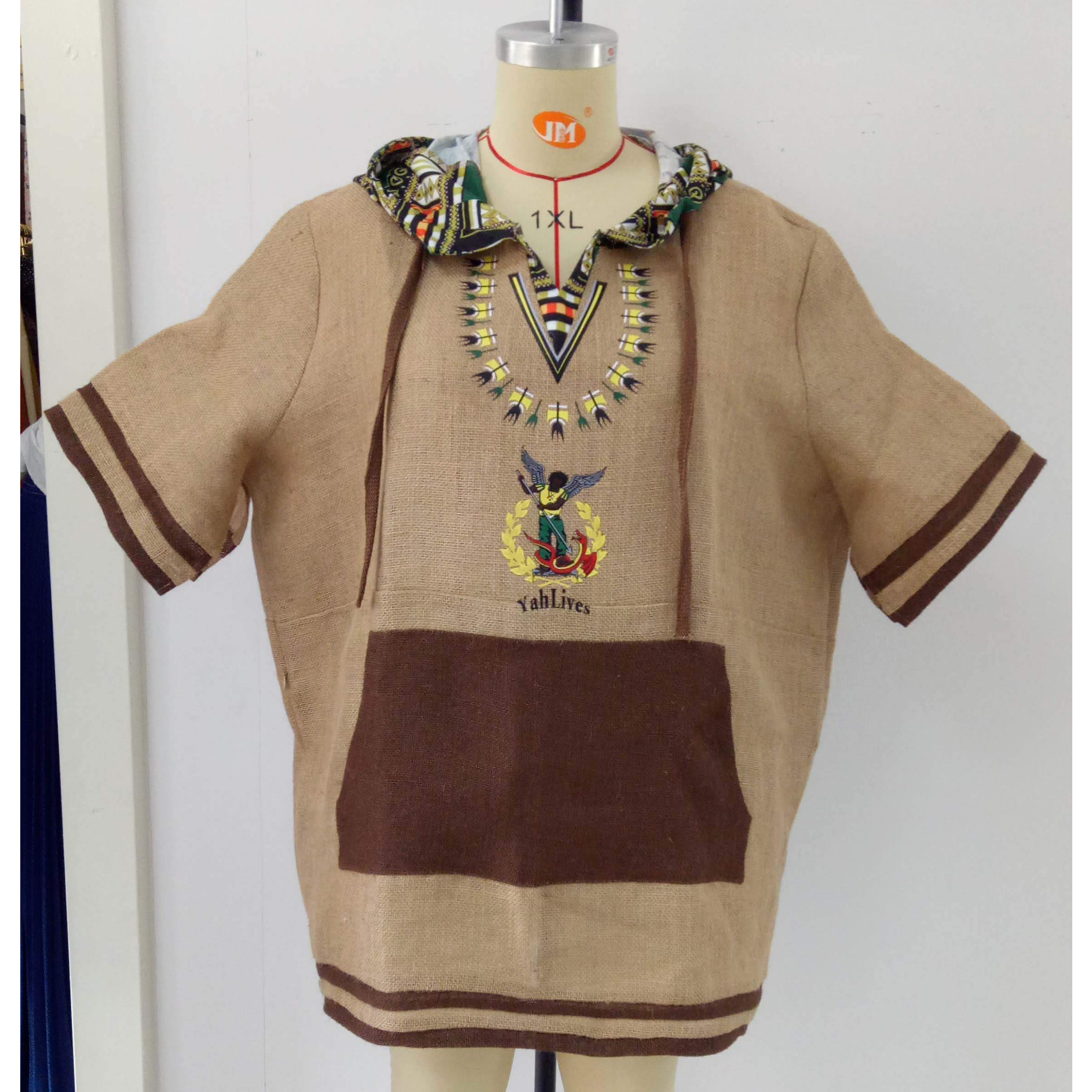
Sackcloth clothing has a rich history deeply rooted in ancient spiritual practices. This section explores the origins of sackcloth and its significance in expressing humility and repentance across various cultures.
Humility and Repentance in Ancient Times
Sackcloth has been a powerful symbol of humility and repentance since ancient times. In biblical contexts, it was often worn during periods of mourning or as a sign of spiritual contrition.
The coarse fabric served as a physical reminder of one’s spiritual state, prompting wearers to reflect on their actions and seek forgiveness. This practice was not limited to individuals but extended to entire communities during times of crisis or national repentance.
Sackcloth’s use in ancient times highlights the importance placed on outward expressions of inner spiritual conditions. It served as a visible marker of one’s commitment to spiritual growth and reconciliation with the divine.
Cultural Significance of Sackcloth
Sackcloth’s cultural significance extends beyond its religious connotations. In many societies, it became a universal symbol of grief, humility, and spiritual introspection.
The act of wearing sackcloth often accompanied other penitential practices, such as fasting or prayer. This combination of physical discomfort and spiritual focus helped individuals and communities process difficult emotions and seek divine guidance.
Over time, sackcloth evolved from a literal garment to a metaphorical concept, representing a state of mind focused on humility and spiritual growth. Its enduring symbolism continues to influence spiritual practices and cultural expressions of repentance today.
Modern Spiritual Introspection and Sackcloth
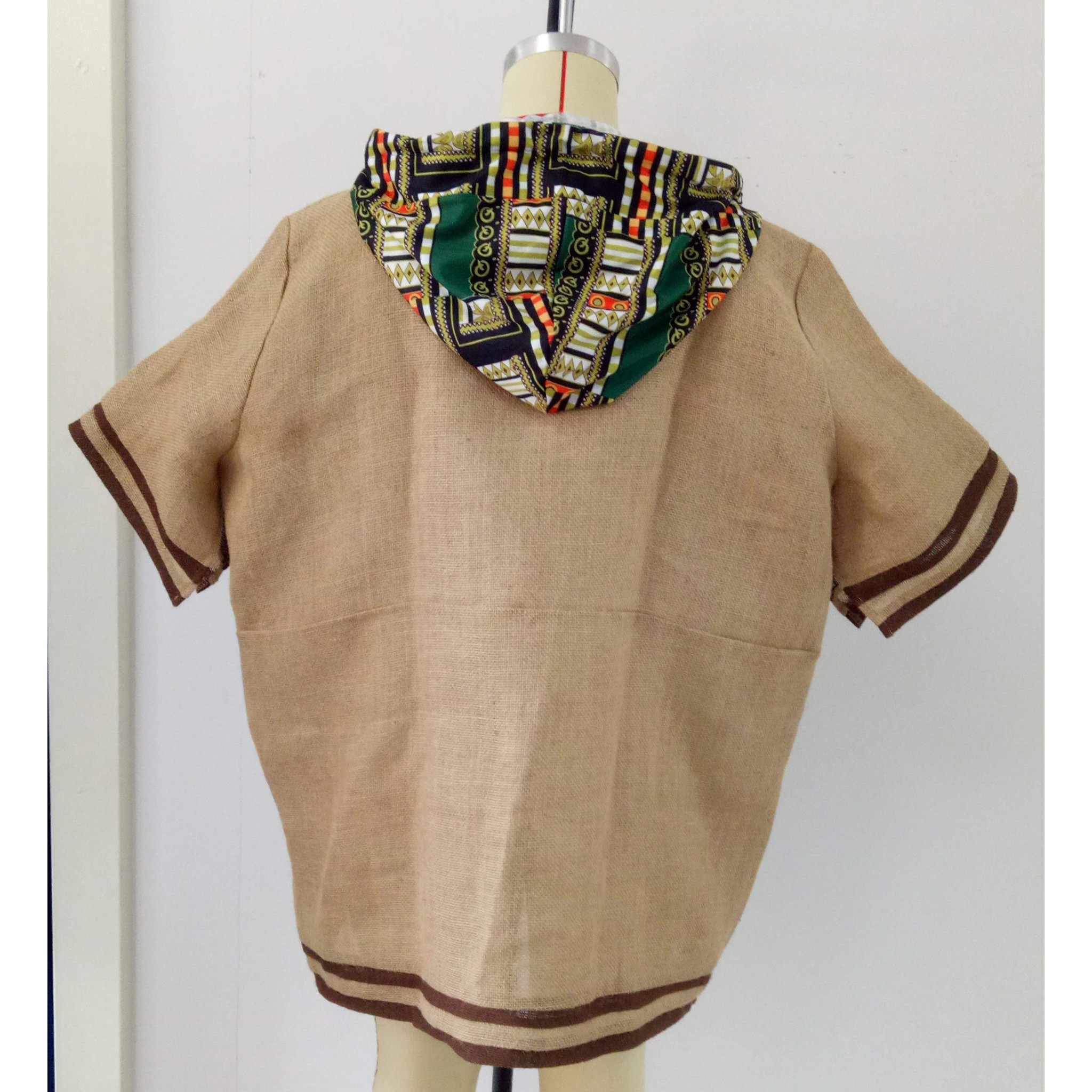
In today’s fast-paced world, the concept of sackcloth clothing continues to offer valuable lessons in spiritual introspection and personal growth. This section examines how modern believers can incorporate sackcloth’s symbolism into their faith practices.
Deepening Faith Through Sackcloth Significance
The significance of sackcloth in modern spiritual practices lies in its ability to foster deep reflection and humility. By understanding and embracing this ancient symbol, believers can enhance their spiritual journey.
Incorporating sackcloth-inspired practices into daily life can serve as a powerful reminder of the importance of humility and repentance. This might involve setting aside time for self-reflection or engaging in acts of service to others.
The concept of sackcloth can also inspire a simpler, more focused approach to faith, encouraging believers to strip away distractions and concentrate on their spiritual core.
Reflective Practices in Contemporary Spiritual Attire
Modern spiritual attire inspired by sackcloth can play a role in fostering reflective practices. While literal sackcloth may not be practical, the principle behind it can be applied to contemporary clothing choices.
Choosing simple, modest clothing as a form of spiritual practice can help individuals focus on inner growth rather than outward appearances. This approach aligns with the original intent of sackcloth, promoting humility and spiritual mindfulness.
Sackcloth-inspired practices in modern times might also include periodic fasting from luxuries or engaging in volunteer work as a way to cultivate a humble and service-oriented mindset.