The Rich History of Sackcloth Clothing: A Symbol of Humility and Faith
Imagine a garment that speaks volumes without uttering a word. Sackcloth clothing, steeped in symbolism and tradition, has long served as a testament to humility and spiritual reflection. These coarse fabrics remind us of our journey towards mindfulness and faith. Curious about how these garments resonate across cultures and religions or how they can enhance your daily spiritual practices? Discover the profound sackcloth clothing significance and enrich your spiritual path today. Ready to embrace this tradition? Buy one today.## Origins of Sackcloth Clothing
Sackcloth clothing has a rich history deeply rooted in ancient traditions and spiritual practices. This section explores the origins of sackcloth and its cultural significance across different societies.
Ancient Symbol of Humility
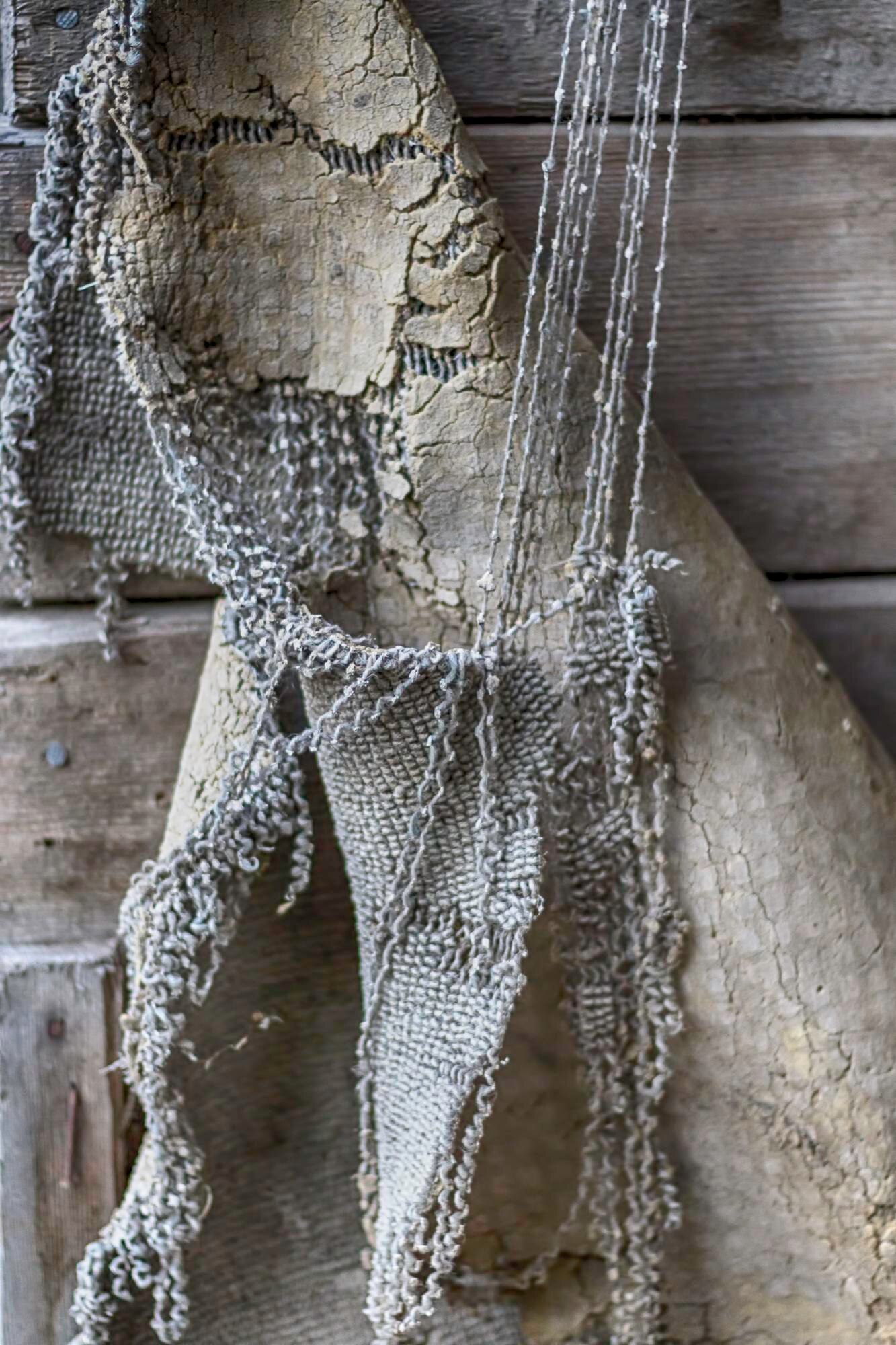
Sackcloth, traditionally made from coarse goat hair, has been a symbol of humility and repentance for centuries. Its rough texture and simple appearance served as a physical reminder of one’s spiritual state.
In biblical times, sackcloth was worn during periods of mourning, fasting, and seeking forgiveness. The discomfort of the fabric was meant to reflect the inner turmoil and desire for spiritual cleansing.
The use of sackcloth is mentioned numerous times in the Old Testament, often paired with the practice of sitting in ashes. This combination symbolized deep sorrow and a plea for divine mercy.
Cultural Traditions of Sackcloth
Sackcloth’s significance extends beyond Judeo-Christian traditions. Many ancient cultures incorporated similar practices of wearing rough garments as a form of penance or spiritual devotion.
In some Eastern religions, ascetics would don simple, coarse clothing as part of their spiritual journey. This practice emphasized detachment from material comforts and focus on inner growth.
The concept of wearing humble attire to express spiritual intent has parallels in various religious and cultural practices worldwide, showcasing the universal human desire for spiritual connection and self-reflection.
Spiritual Significance Today

While the literal use of sackcloth has diminished, its spiritual significance remains relevant in modern times. This section examines how the principles behind sackcloth clothing continue to influence contemporary spiritual practices.
Mindfulness Clothing Practices
Modern interpretations of sackcloth clothing focus on mindfulness and intentional dressing. Today’s practitioners might choose simple, modest clothing to reflect their spiritual values.
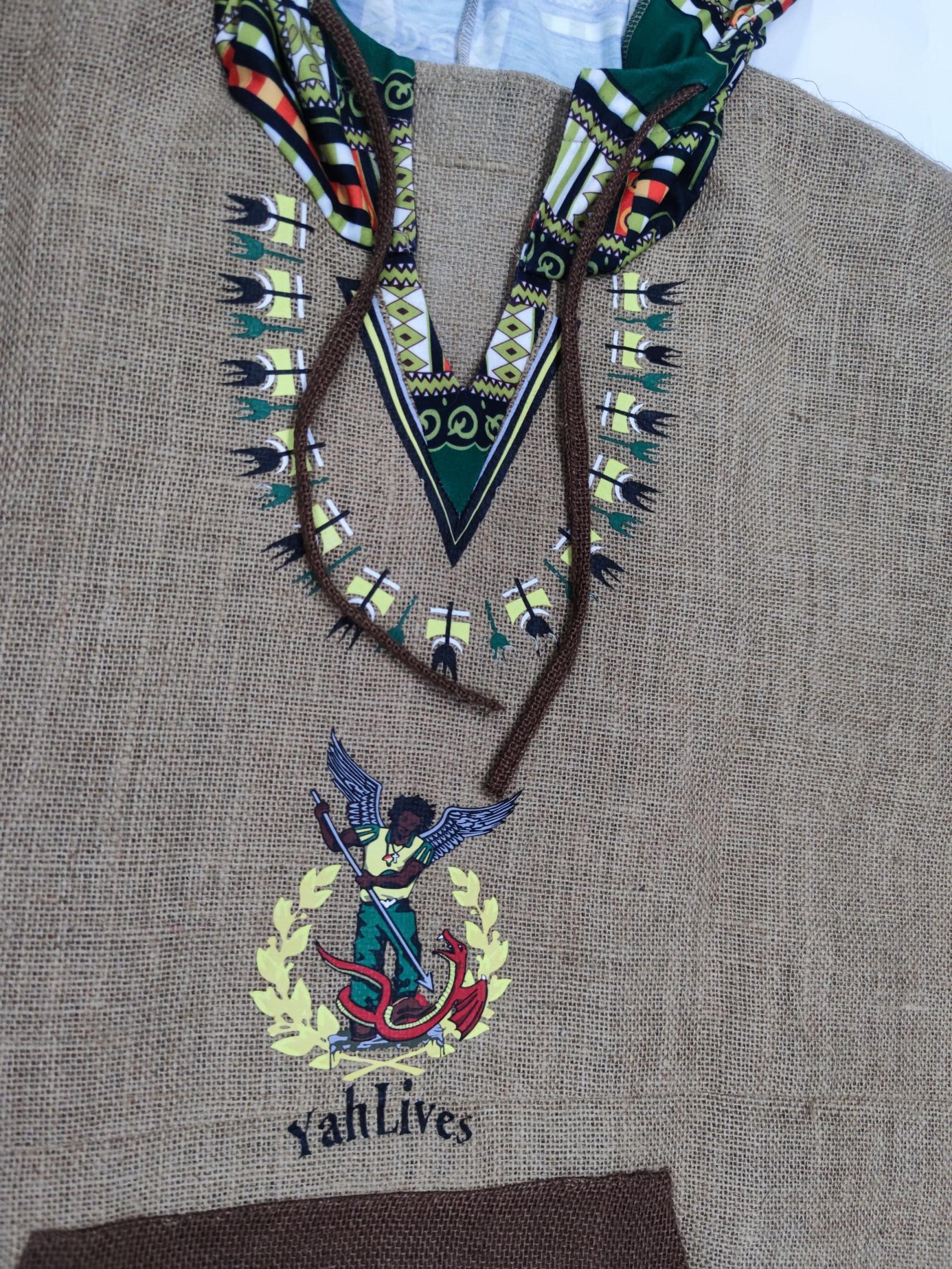
Some individuals incorporate elements of traditional sackcloth into their wardrobe, such as wearing a rough fabric bracelet or carrying a small swatch of burlap as a reminder of humility and spiritual focus.
The act of choosing clothing with intention can serve as a daily ritual of mindfulness, helping individuals stay connected to their spiritual goals and values throughout their day-to-day activities.
Enhancing Spiritual Reflection
Sackcloth-inspired practices can enhance spiritual reflection in the modern world. The principle of physical discomfort as a catalyst for inner growth remains relevant.
Some spiritual seekers engage in periodic fasting or abstain from luxuries as a modern equivalent to wearing sackcloth. These practices aim to cultivate humility and foster a deeper connection with one’s faith.
Meditation and prayer, often accompanied by simple attire or surroundings, serve as contemporary methods for achieving the introspection and spiritual focus that sackcloth traditionally symbolized.
Modern Uses and Interpretations

The concept of sackcloth has evolved in the modern era, taking on new forms and interpretations while maintaining its core spiritual essence. This section explores how sackcloth principles are applied in contemporary faith practices and spiritual reflection.
Sackcloth in Contemporary Faith
Modern faith communities have found innovative ways to incorporate the spirit of sackcloth into their practices. Some churches organize “sackcloth services” where participants wear simple clothing to focus on prayer and repentance.
Digital fasting, where individuals abstain from social media or technology, has become a modern equivalent to wearing sackcloth. This practice aims to remove distractions and foster spiritual connection.
Charitable actions, such as donating luxury items or volunteering in challenging environments, are seen as ways to embody the humility and self-sacrifice associated with sackcloth.
Spiritual Reflection Garments Today
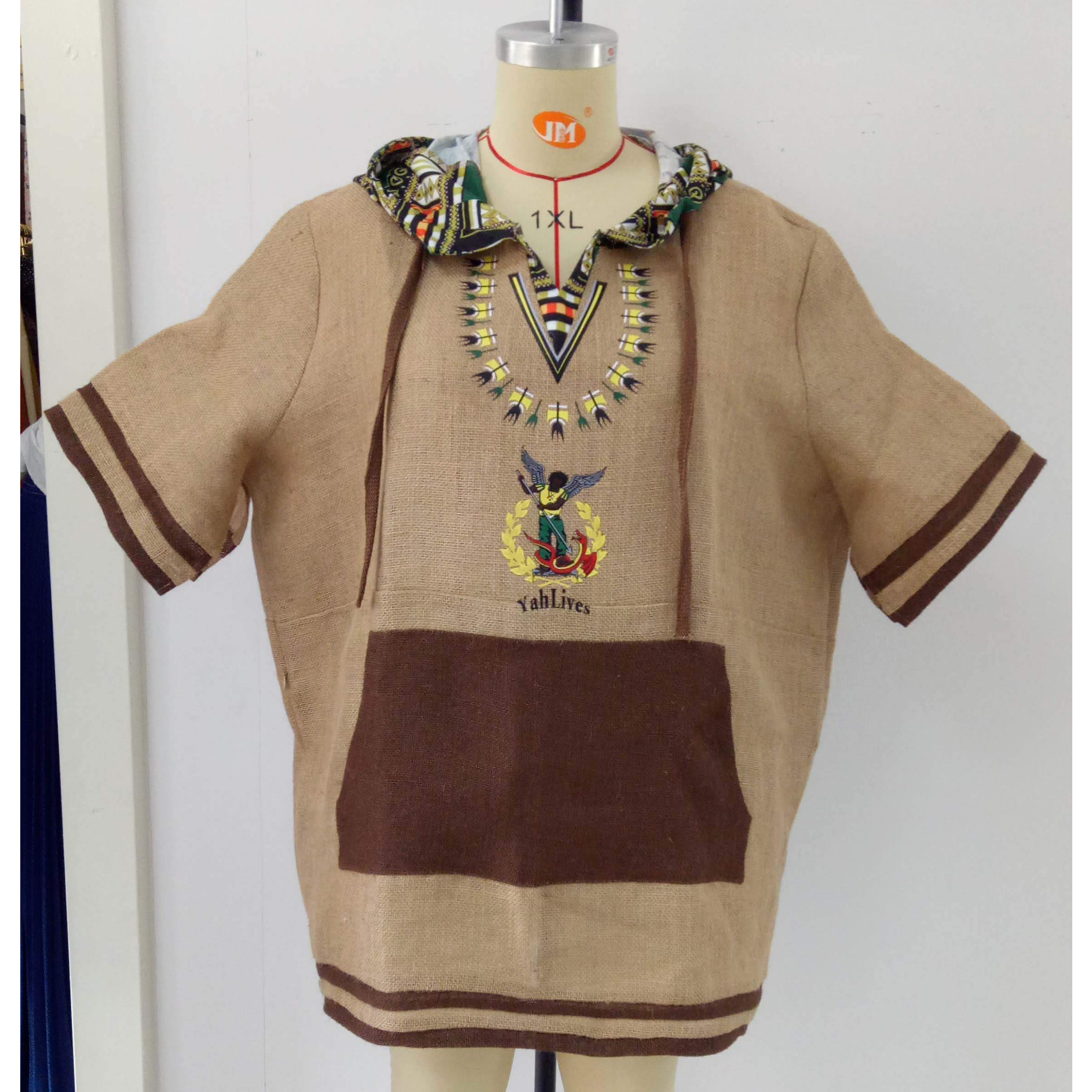
Contemporary spiritual reflection garments take various forms, from specially designed prayer shawls to simple, unadorned clothing chosen for its lack of distraction during meditation or worship.
Some individuals create personal rituals around dressing for spiritual practice, selecting specific items of clothing that help them transition into a more contemplative state of mind.
The fashion industry has also responded to this trend, with some designers creating clothing lines inspired by the principles of simplicity and mindfulness associated with traditional sackcloth practices.