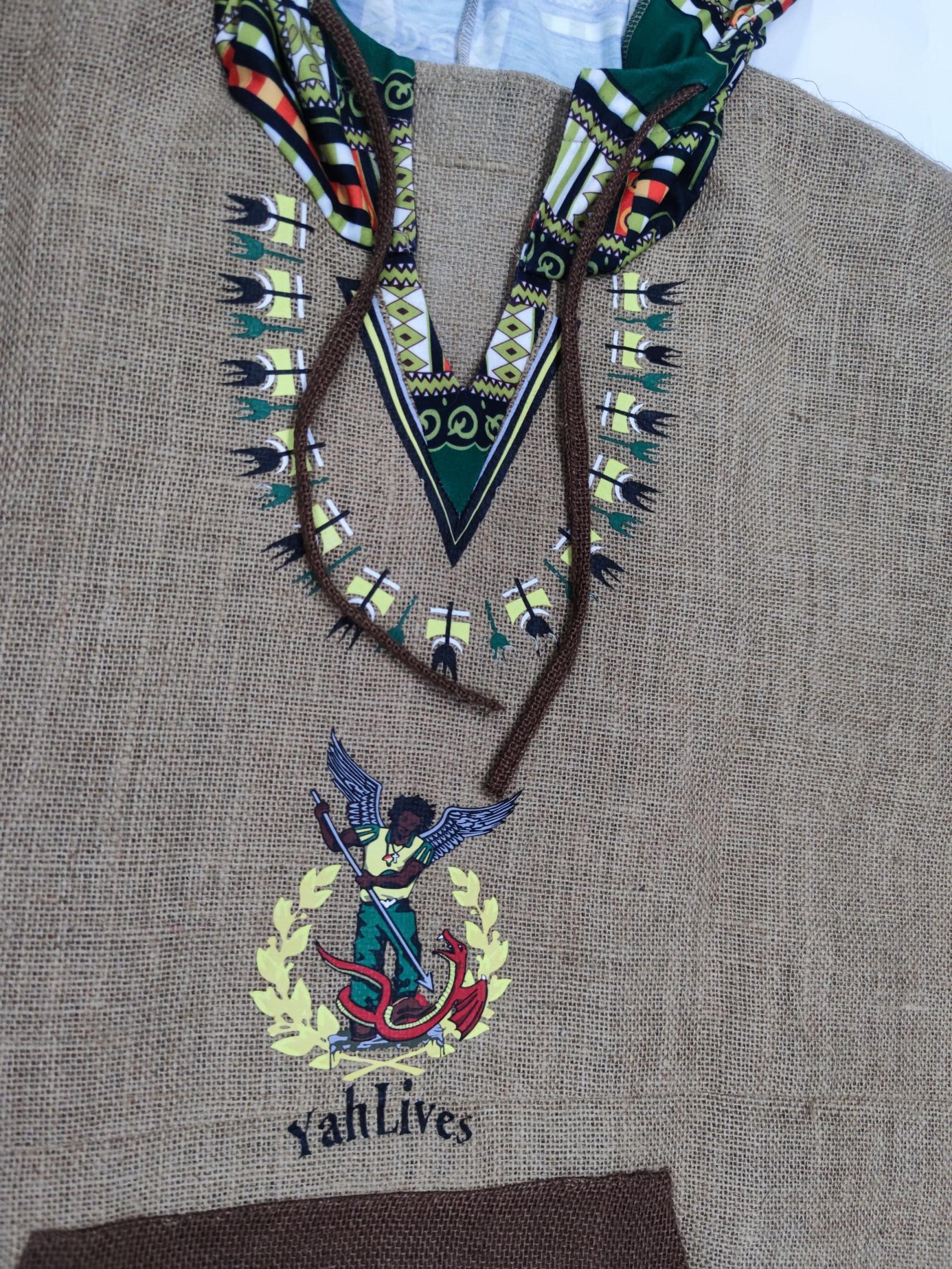
From History to Wardrobe: The Significance of Sackcloth in Christian Apparel
In a world increasingly driven by material pursuits, sackcloth garments offer a refreshing path back to the roots of humility and faith. For the Christian believer, sackcloth is more than a fabric; it is a profound symbol of spiritual growth and a commitment to a life of simplicity and intentional living. The historical significance of sackcloth in Christian tradition reflects a deep connection to repentance and prayer, reminding us of the call to humility in faith. By choosing sackcloth as part of a faith-based wardrobe, individuals can align their clothing choices with sustainable clothing practices, honoring both their spiritual journey and their responsibility to the world around them. With sackcloth styling tips and personal testimonies, this exploration invites you to enrich your life with garments that speak to the heart of Christian fashion. Learn more about the spiritual significance of sackcloth.## Historical Roots of Sackcloth
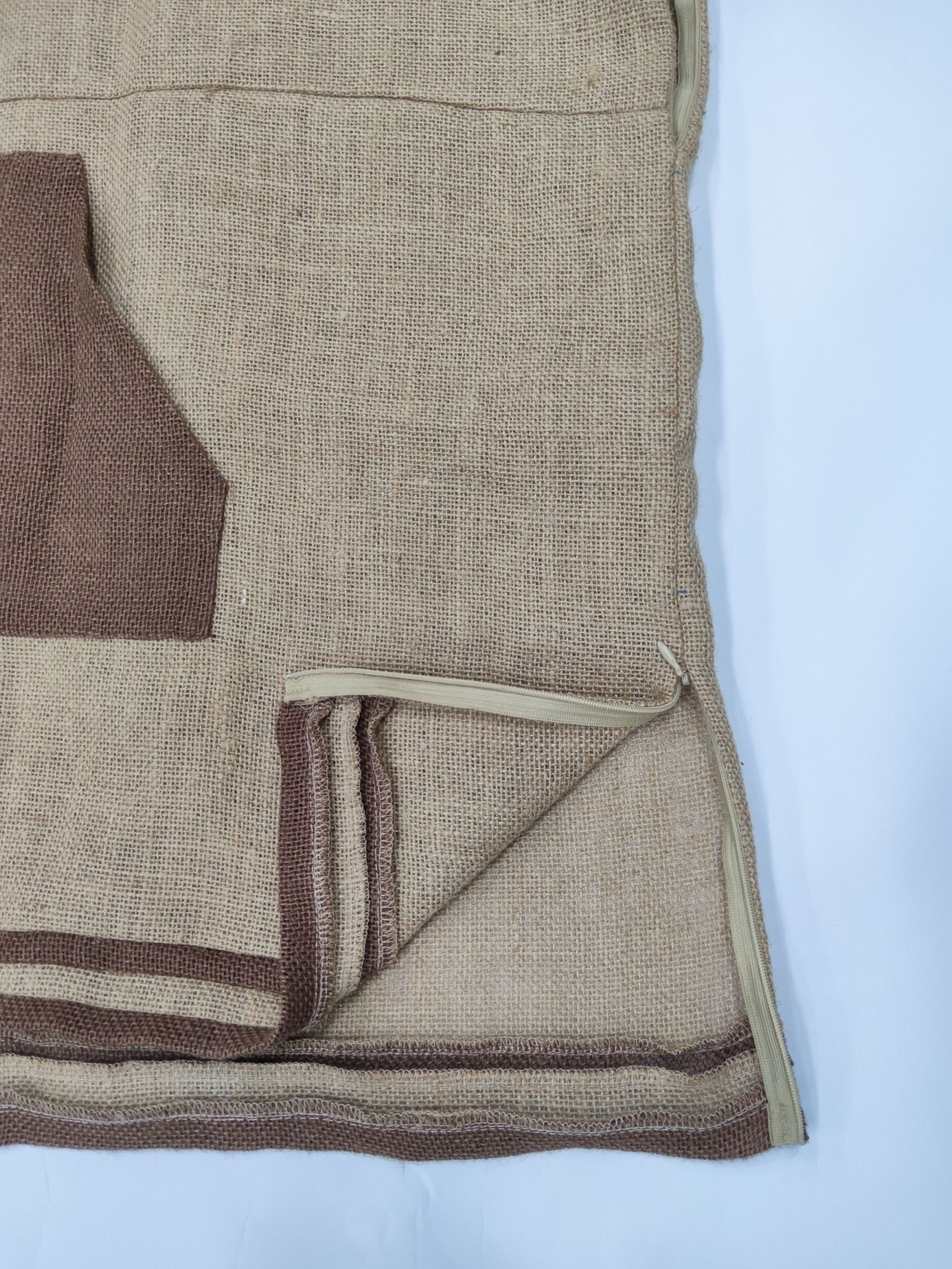
Sackcloth has a rich history in Christian tradition, serving as a powerful symbol of repentance and humility. This section explores the early Christian symbolism associated with sackcloth and its significant biblical references.
Early Christian Symbolism
Sackcloth in early Christian symbolism represented a profound commitment to spiritual reflection and repentance. The coarse fabric, typically made from goat hair, was worn as a sign of mourning and contrition.
Early Christians adopted this practice from Jewish traditions, using it as a visible expression of their inner spiritual state. The discomfort of wearing sackcloth was seen as a physical reminder of one’s spiritual journey.
The act of donning sackcloth often accompanied fasting and prayer, creating a holistic approach to seeking God’s forgiveness and guidance. This practice helped believers focus on their spiritual growth and relationship with God.
Biblical References and Meanings
The Bible contains numerous references to sackcloth, each highlighting its significance in spiritual practices. These passages provide insight into the fabric’s role in expressing repentance and humility before God.
In the Old Testament, figures like Job and the people of Nineveh wore sackcloth as a sign of repentance. The prophet Jonah’s story particularly emphasizes this, where an entire city donned sackcloth to seek God’s mercy.
New Testament references to sackcloth often appear in apocalyptic contexts, symbolizing mourning and the need for spiritual readiness. These passages reinforce the fabric’s enduring significance in Christian faith.
Incorporating Sackcloth Today

While the historical use of sackcloth was primarily symbolic, modern Christians can still incorporate its essence into their daily lives. This section offers practical advice on integrating sackcloth into contemporary wardrobes and aligning clothing choices with sustainable practices.
Practical Styling Tips
Incorporating sackcloth into modern wardrobes requires creativity and thoughtfulness. The key is to balance the fabric’s symbolic meaning with practical, everyday wear.
-
Start with accessories: Introduce sackcloth through small items like bracelets or bags.
-
Layer strategically: Use sackcloth garments as base layers or outer layers for versatility.
-
Mix textures: Combine sackcloth with softer fabrics to create contrast and comfort.
Remember, the goal is to incorporate the spiritual symbolism of sackcloth while maintaining a practical and respectful appearance. This balance allows for daily reminders of faith without compromising on style or comfort.
Sustainable Fashion Choices
Choosing sackcloth aligns well with sustainable fashion practices, reflecting a commitment to both spiritual and environmental stewardship. This approach to clothing embodies the Christian call to care for God’s creation.
Sackcloth, often made from natural fibers, offers an eco-friendly alternative to synthetic materials. Its durability also promotes a ‘buy less, wear more’ philosophy, reducing overall consumption.
Consider these sustainable practices when incorporating sackcloth:
-
Choose organic or recycled sackcloth materials
-
Support fair trade and ethically produced sackcloth items
-
Repurpose old sackcloth garments into new items
By making these choices, believers can honor their faith while contributing to a more sustainable fashion industry.
Spiritual Significance and Personal Testimonies

The incorporation of sackcloth into modern Christian life goes beyond fashion, touching on deeper spiritual practices and personal growth. This section explores the spiritual impact of sackcloth and shares real-life experiences of believers.
Humility in Faith and Intentional Living
Wearing sackcloth, even in modern forms, serves as a constant reminder of the need for humility in faith. It encourages believers to practice intentional living, focusing on spiritual growth rather than material pursuits.
The physical presence of sackcloth can prompt moments of reflection throughout the day. It serves as a tangible connection to biblical teachings on humility and repentance.
For many, incorporating sackcloth into their wardrobe becomes a form of daily prayer and meditation. It helps maintain a consistent focus on spiritual values amidst the distractions of modern life.
Faith-Based Wardrobe Reflections
Personal testimonies reveal the profound impact of incorporating sackcloth into daily wear. Many believers report a deepened sense of connection to their faith and a renewed focus on spiritual growth.
One Christian shared:
“Wearing a sackcloth bracelet daily reminds me to approach life with humility and gratitude. It’s a small change that has made a big difference in my spiritual journey.”
Others have found that sackcloth garments help them resist materialistic tendencies:
-
Reduced impulse purchases
-
Greater appreciation for simplicity
-
Increased focus on spiritual rather than material wealth
These experiences highlight how sackcloth and ashes, traditionally symbols of repentance, can be reimagined for contemporary Christian living. They serve as powerful tools for spiritual growth and mindful living in today’s world.