Bridging the Past and Present: Sackcloth and Ashes in Contemporary Spiritual Practices
In a world that often moves at a relentless pace, the ancient practice of sackcloth and ashes offers a profound opportunity to pause and reflect on our spiritual journey. Rooted in biblical traditions, this symbolic act of wearing sackcloth and covering oneself with ashes has long been a poignant expression of repentance and humility in faith. Today, as we seek spiritual renewal and personal growth, reintroducing these age-old customs can enrich our understanding of compassion and mercy. By embracing this sacred practice in contemporary rituals, we reconnect with our spiritual identity and draw closer to God, fostering hope and spiritual empowerment. As we explore the significance of sackcloth symbolism, let us be inspired to nurture a deeper, more meaningful faith in our daily lives. Learn more about the history and significance of sackcloth and ashes in biblical traditions.
The Historical Significance of Sackcloth and Ashes
Biblical Roots and Symbolism
Sackcloth and ashes have deep roots in biblical traditions. This practice was a powerful symbol of repentance and humility in faith. In ancient times, people would wear rough, uncomfortable sackcloth and cover themselves with ashes to show their sorrow and remorse. This outward display represented an inward change of heart. It was a way to express deep grief, seek forgiveness, and show submission to God. The discomfort of the sackcloth served as a reminder of one’s spiritual state, while the ashes symbolized human frailty and mortality.

Cultural Impact Through the Ages
The practice of wearing sackcloth and ashes extended beyond individual acts of repentance. It often played a role in communal expressions of sorrow during times of national calamity or widespread tragedy. Leaders and common people alike would engage in this ritual to seek God’s mercy and intervention. This shared experience fostered a sense of unity and collective spiritual renewal. The visual impact of an entire community in sackcloth and ashes served as a powerful reminder of human dependence on divine grace and the importance of humility in faith.
Sackcloth and Ashes in Modern Spiritual Practices
Adapting Ancient Traditions for Today
In our modern world, the literal practice of wearing sackcloth and covering oneself with ashes may seem out of place. Yet, the spiritual principles behind this ancient custom remain relevant. Today, we can adapt these traditions to fit our contemporary lives while still honoring their deep spiritual significance. This might involve setting aside time for reflection and prayer, fasting, or engaging in acts of service as a form of spiritual renewal. The goal is to create moments of pause and introspection in our busy lives, allowing us to reconnect with our faith and seek personal growth.
Incorporating Symbolism in Daily Life
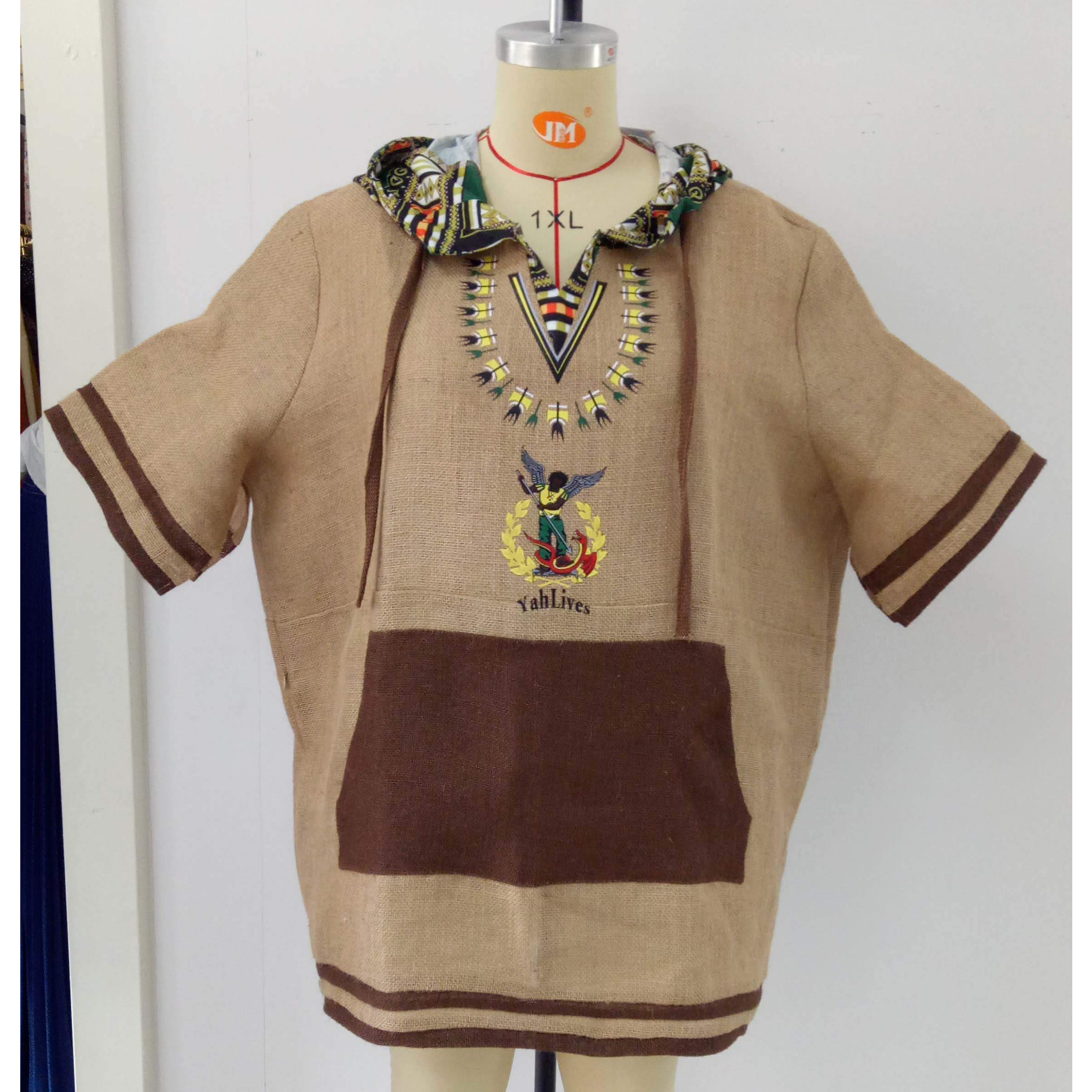
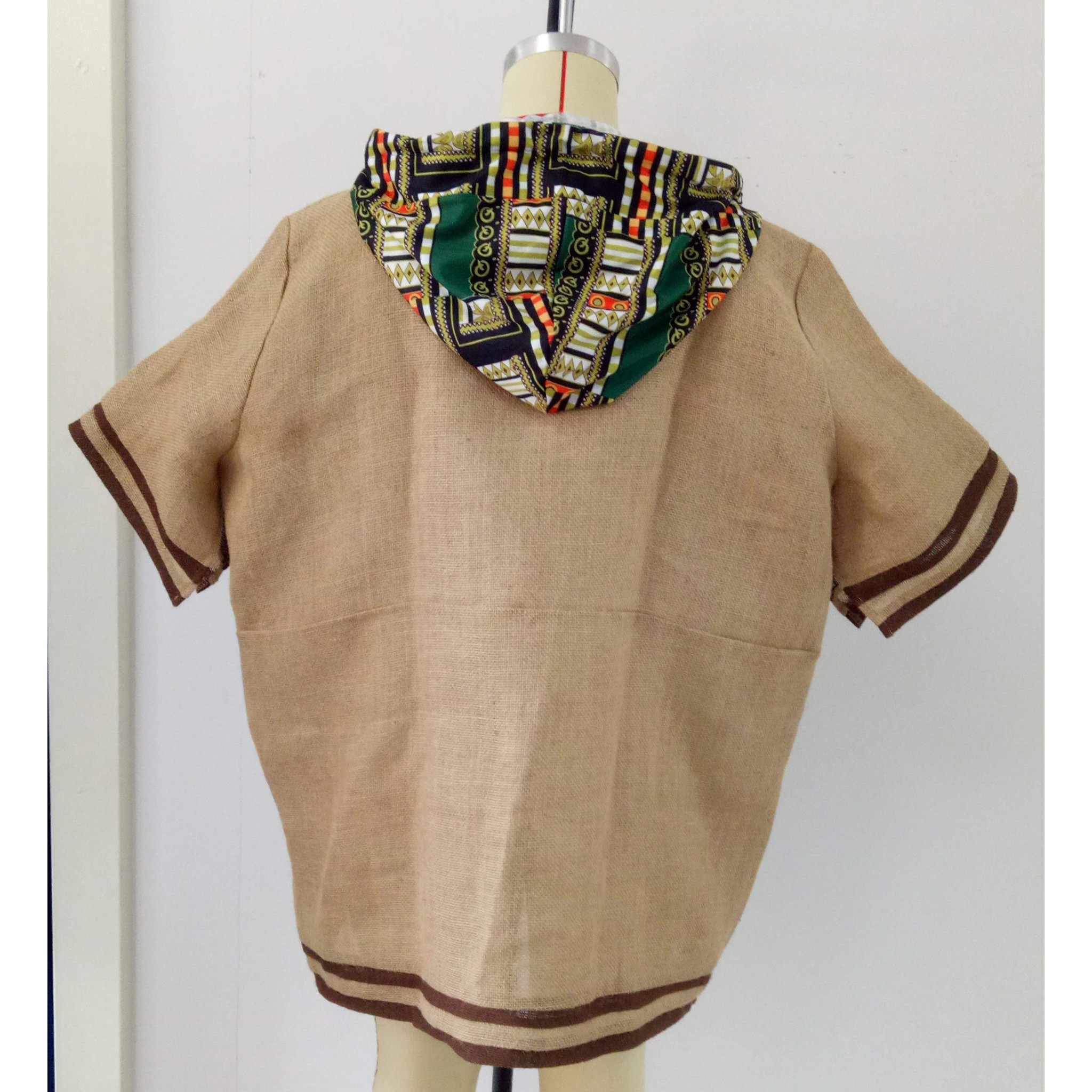
One way to bring the spirit of sackcloth and ashes into our daily lives is through meaningful clothing choices. Wearing garments that remind us of our faith and commitment to spiritual growth can serve as a modern interpretation of this ancient practice. For example, prayer hoodies inspired by the concept of sackcloth can be a powerful tool for personal reflection and a visible symbol of one’s spiritual journey.
The Power of Repentance and Humility
Fostering Personal Growth Through Reflection
The practice of sackcloth and ashes teaches us the value of honest self-reflection and humility. In our spiritual journeys, acknowledging our faults and seeking forgiveness is crucial for personal growth. This process of repentance allows us to release burdens, find inner peace, and draw closer to God. By regularly examining our actions and attitudes, we can identify areas for improvement and work towards becoming better versions of ourselves. This ongoing process of self-improvement and spiritual renewal is at the heart of what sackcloth and ashes represent.
Building Compassion and Mercy in Community
The spirit of sackcloth and ashes extends beyond personal growth to influence how we interact with others. As we practice humility and seek forgiveness, we become more understanding of others’ struggles and shortcomings. This fosters a community built on compassion and mercy, where people support and uplift one another. By embracing the principles behind sackcloth and ashes, we can create a more empathetic and caring society, reflecting God’s love in our daily interactions.
Embracing Sackcloth Symbolism in Your Spiritual Journey
Practical Steps for Incorporating Ancient Wisdom
To bring the spirit of sackcloth and ashes into your life, consider setting aside regular times for prayer and reflection. Create a quiet space in your home for these moments of spiritual connection. You might also choose to fast occasionally, not just from food but from distractions that keep you from focusing on your faith. Wearing clothing that reminds you of your spiritual commitments, like a prayer hoodie, can serve as a physical reminder of your dedication to growth and renewal.
The Impact on Spiritual Identity and Faith
By incorporating elements of sackcloth symbolism into our lives, we strengthen our spiritual identity and deepen our faith. These practices help us maintain a humble perspective, reminding us of our dependence on God and the importance of continual spiritual growth. As we embrace these ancient traditions in modern ways, we open ourselves to profound spiritual experiences and a closer walk with God. This journey of faith, inspired by the wisdom of sackcloth and ashes, can lead to a more meaningful and fulfilling spiritual life.
Ancient Roots of Sackcloth
The practice of wearing sackcloth and ashes has deep roots in biblical traditions, serving as a powerful symbol of repentance and humility. This section explores the historical significance and context of this ancient custom.
Symbolism and Significance
Sackcloth and ashes hold profound symbolic meaning in spiritual practices. The sackcloth, a coarse fabric typically made from goat hair, represents discomfort and mourning.
The rough texture against the skin serves as a physical reminder of one’s spiritual state, prompting reflection and repentance. Ashes, on the other hand, symbolize human mortality and frailty.
When combined, sackcloth and ashes create a powerful visual and sensory experience that encourages humility and spiritual renewal. This practice helps individuals acknowledge their shortcomings and seek divine forgiveness.
Historical Context and Practices
In biblical times, the use of sackcloth and ashes was a common practice during times of personal or national crisis. Leaders and common people alike would don sackcloth and cover themselves in ashes as a sign of mourning, repentance, or supplication.
This practice was often accompanied by fasting and intense prayer, creating a holistic approach to spiritual reflection and renewal.
Historical records show that entire communities would engage in this ritual during times of war, famine, or natural disasters. The shared experience fostered a sense of unity and collective spiritual awakening.
Over time, the practice evolved but maintained its core purpose of expressing deep sorrow, seeking forgiveness, and demonstrating humility before God.
Modern Spiritual Relevance
While the literal practice of wearing sackcloth and ashes may seem outdated, its spiritual essence remains relevant in contemporary faith practices. This section examines how these ancient traditions can be adapted for modern spiritual growth.
Contemporary Rituals and Reflections
In today’s fast-paced world, the principles behind sackcloth and ashes can be applied through various contemporary rituals and reflections. These modern adaptations aim to create moments of pause and introspection in our busy lives.
One approach is to set aside dedicated time for prayer and meditation, focusing on personal growth and spiritual renewal. This can be enhanced by creating a quiet, sacred space in one’s home.
Another modern interpretation involves mindful fasting, not just from food but from distractions that hinder spiritual growth. This might include social media, entertainment, or other indulgences.
Wearing symbolic clothing or accessories can serve as a physical reminder of one’s commitment to spiritual growth, much like the sackcloth did in ancient times.
Connecting with Ancestral Heritage
Embracing the spirit of sackcloth and ashes allows modern practitioners to connect with their spiritual ancestors and heritage. This connection provides a sense of continuity and depth to one’s faith journey.
Studying historical accounts and biblical passages related to sackcloth and ashes can offer insights into the spiritual practices of our forebears. This knowledge can then be applied to contemporary life.
Participating in community events or rituals that honor these traditions can foster a sense of belonging and shared spiritual identity. Such experiences can be particularly powerful during significant religious observances.
By understanding and adapting these ancient practices, individuals can enrich their spiritual lives and gain a deeper appreciation for their faith’s historical roots.
Embracing Humility and Growth
The essence of sackcloth and ashes lies in fostering humility and promoting personal growth. This section explores how these principles can be applied in modern spiritual life to cultivate compassion and deepen faith.
Personal Growth Through Repentance
Repentance, a key aspect of the sackcloth and ashes tradition, remains a powerful tool for personal growth in contemporary spiritual practices. It involves honest self-reflection and a willingness to acknowledge one’s faults.
This process of self-examination can lead to profound insights and transformative experiences. By regularly engaging in repentance, individuals can identify areas for improvement in their lives and relationships.
Repentance also fosters a sense of accountability, encouraging individuals to take responsibility for their actions and seek positive change. This ongoing process of self-improvement and spiritual renewal lies at the heart of what sackcloth and ashes represent.
Compassion and Mercy in Faith
The humility cultivated through practices inspired by sackcloth and ashes can lead to greater compassion and mercy in one’s faith journey. As individuals become more aware of their own shortcomings, they often develop increased empathy for others.
This compassionate outlook can transform relationships and communities, creating an environment of understanding and support. It reflects the divine qualities of mercy and forgiveness that are central to many faith traditions.
By embracing these principles, practitioners can contribute to building a more caring and empathetic society, embodying the core values of their faith in everyday life.