The Power of Sackcloth: Discovering Its Spiritual Significance and Modern Uses in Christian Faith
Sackcloth clothing might seem like an ancient relic, but it holds a powerful place in Christian humility and spiritual significance. This fabric, often associated with biblical sackcloth use, symbolizes deep repentance and mourning, while its rough texture serves as a reminder of life’s hardships and the need for introspection. Today, modern Christian practices are finding fresh ways to incorporate sackcloth, not only as a nod to history but also as an expression of faith and simplicity in worship. By exploring the sackcloth history and its evolution into a symbol of social justice, we can gain insights into how Christian apparel can inspire meaningful connections and reflections in our everyday lives. Whether you’re interested in fashion in faith or seeking a deeper understanding of sackcloth testimonies, this journey into the past and present of this humble fabric offers much to ponder.
Origins and Symbolism of Sackcloth
Sackcloth holds deep roots in religious history, serving as a powerful symbol of repentance, mourning, and humility. This section explores the historical context and biblical usage of sackcloth, shedding light on its enduring significance in Christian faith.
Historical Context and Meaning
Sackcloth, a coarse fabric typically made from goat’s hair, has been used for centuries as a symbol of grief and repentance. In ancient times, it was worn as a physical representation of inner turmoil and spiritual anguish.
The rough texture of sackcloth against the skin served as a constant reminder of one’s humility before God. This practice was not limited to individuals but was often adopted by entire communities during times of collective mourning or repentance.
According to Grace Fiber, the use of sackcloth was a visible sign of a person’s commitment to turn away from sin and seek God’s forgiveness. It represented a temporary rejection of comfort and luxury in favor of spiritual reflection and growth.
Biblical Sackcloth Use
In the Bible, sackcloth is mentioned numerous times, often in conjunction with ashes as a symbol of deep mourning or repentance. Crosswalk explains that this practice was a way for individuals to express their sorrow and humility before God.
One notable example is found in the book of Jonah, where the people of Nineveh, including the king, put on sackcloth as a sign of their repentance after hearing Jonah’s warning of impending judgment.
The prophet Daniel also wore sackcloth as he fasted and prayed for his people, demonstrating the fabric’s use in times of intense spiritual seeking and intercession.
Modern Christian Practices
While the literal wearing of sackcloth is less common today, its spiritual significance continues to influence modern Christian practices. This section examines how the principles behind sackcloth use are applied in contemporary worship and daily life.
Simplicity in Worship and Life
The concept of simplicity in worship, inspired by the sackcloth tradition, encourages Christians to focus on the essence of their faith rather than external trappings. This approach emphasizes genuine heart attitudes over outward displays of piety.
Cathedral.org suggests that modern interpretations of sackcloth practices might include periods of fasting, increased prayer time, or intentional acts of service to others. These activities aim to cultivate a spirit of humility and dependence on God.
Some Christians choose to simplify their lifestyles as a form of ongoing “sackcloth” practice, eschewing excess in favor of modesty and generosity. This can involve decluttering one’s home, adopting a minimalist wardrobe, or dedicating more resources to charitable causes.
Fashion in Faith and Christian Apparel

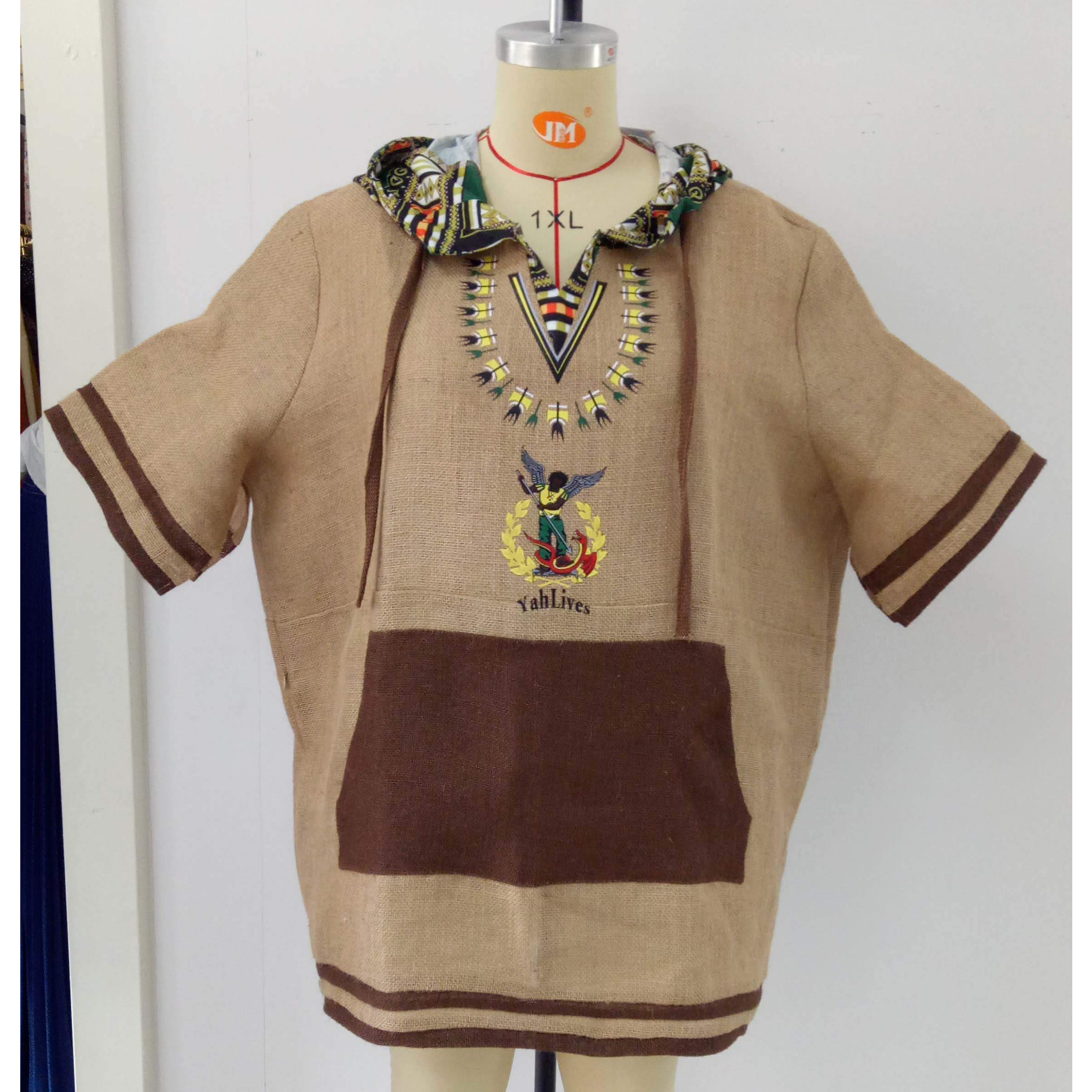
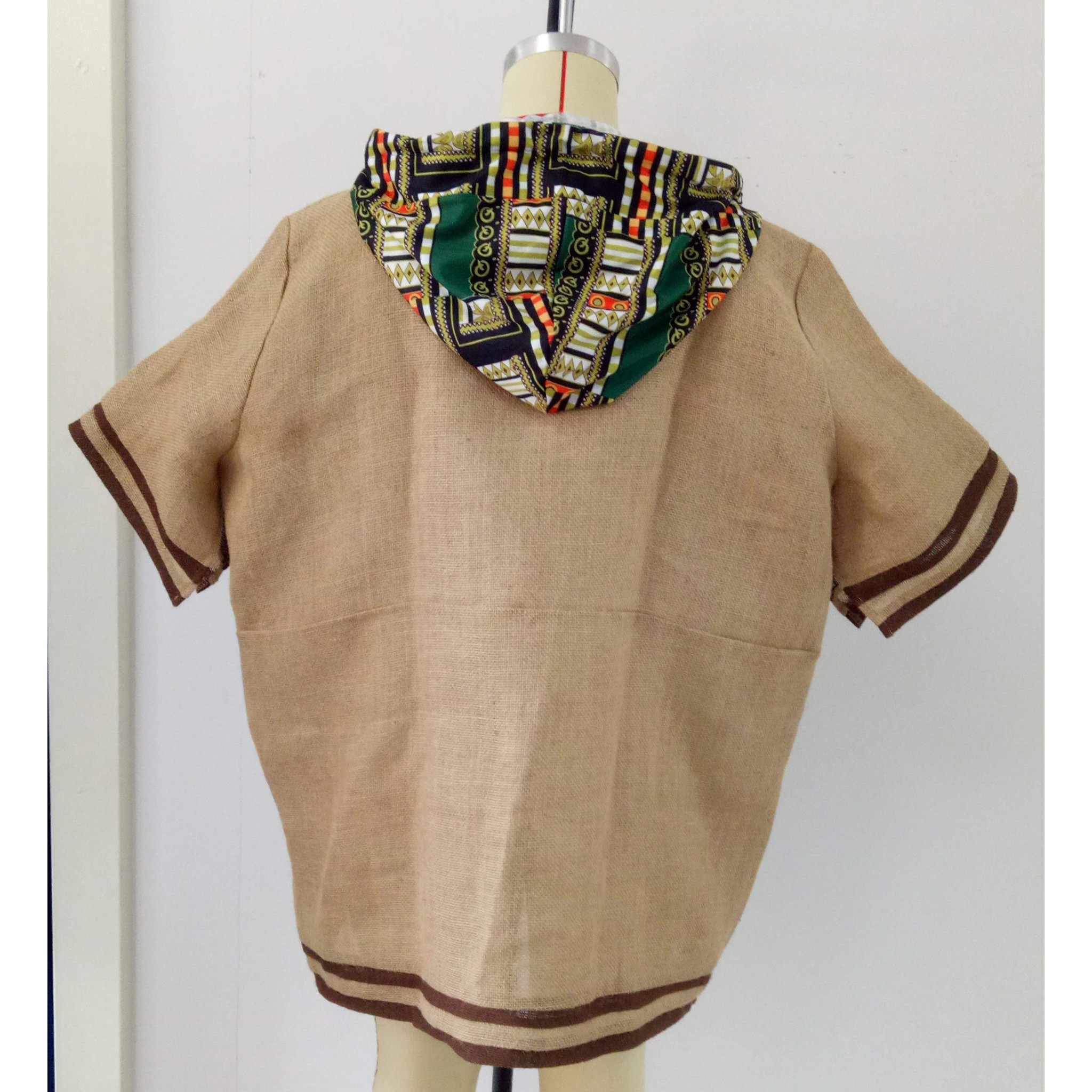
In recent years, there has been a rise in Christian apparel that draws inspiration from the sackcloth tradition. These clothing items often feature biblical verses or symbols, serving as modern-day reminders of faith and commitment.
Yah Lives Apparel offers a range of clothing that combines contemporary style with spiritual significance. Their designs aim to spark conversations about faith and provide wearers with a tangible connection to their beliefs.
While not as austere as traditional sackcloth, these modern interpretations seek to balance the principles of humility and witness in a culturally relevant way. They allow Christians to express their faith through their clothing choices without resorting to extreme measures.
Sackcloth and Social Justice
The symbolism of sackcloth has evolved to encompass broader concerns of social justice and community engagement. This section explores how the principles behind sackcloth use are being applied to address societal issues and inspire personal reflection.
Personal Testimonies and Reflections
Many Christians have found the concept of sackcloth to be a powerful tool for personal growth and spiritual renewal. By embracing periods of simplicity or self-denial, individuals often report a deeper connection to their faith and a renewed sense of purpose.
One believer shared, “Wearing a modern sackcloth-inspired garment for a week changed my perspective on materialism and helped me refocus on what truly matters in my faith journey.”
These personal experiences often lead to a greater awareness of social issues and a desire to make a positive impact in the world.
Engaging with Societal Issues
The principles of humility and repentance associated with sackcloth are being applied to address broader societal concerns. Some Christian communities organize “sackcloth days” where members wear simple clothing and engage in acts of service or advocacy for social justice causes.
Got Questions suggests that the spirit of sackcloth can be applied to modern issues by:
-
Acknowledging societal sins and injustices
-
Actively working towards reconciliation and healing
-
Advocating for the marginalized and oppressed
By embracing these principles, Christians can use the symbolism of sackcloth to inspire meaningful action and foster positive change in their communities and beyond.